How microgrids support reliable energy
Learn how microgrid technology can help strengthen service for members
MTE is exploring innovative energy technologies to better serve our members now and in the future. Microgrids are local energy systems that can connect to the main electric grid or operate on their own when needed, such as during a power outage.
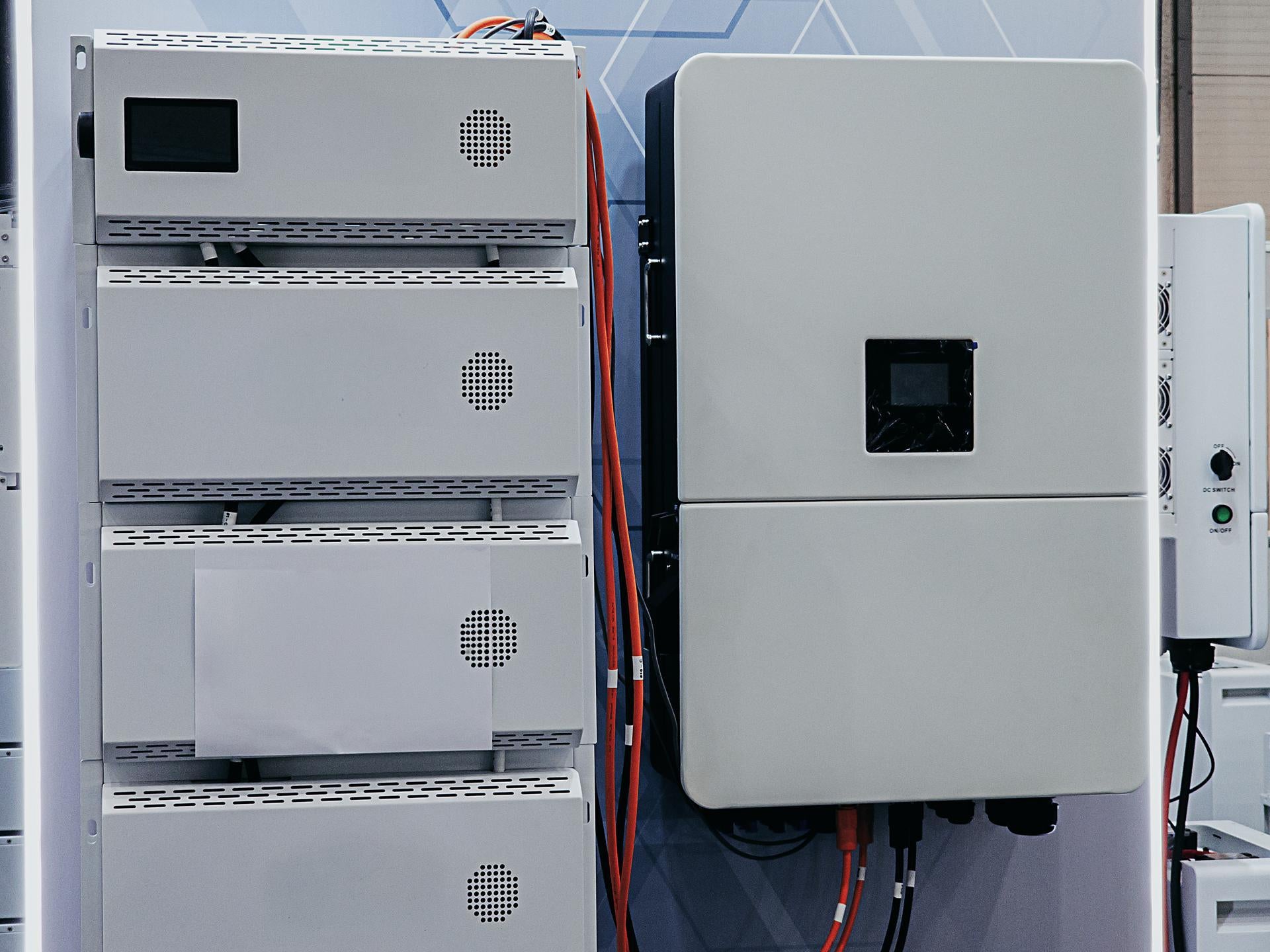
By using power sources such as generators, batteries, or renewables, microgrids can help support reliable service, manage energy needs, and keep power flowing when the main grid experiences a problem.
What is a microgrid?
A microgrid is a local energy system that can operate independently or work with the main electric grid. It can connect homes, businesses, or facilities to power sources that help appliances, HVAC systems, electronics, and other equipment continue operating during a power outage.
When connected to the main grid, a microgrid can help maintain stable voltage. If the main grid experiences an issue, the microgrid can disconnect and operate independently as a smaller power system.
Why MTE is exploring microgrids
MTE is researching and investing in microgrid technology to better understand how it can improve reliability and support members’ changing energy needs.
Hands-on experience with microgrids helps MTE learn how the technology works in real-world settings, including during disaster recovery scenarios. It also helps MTE educate members who are considering energy technology for their homes or businesses.
As energy options continue to evolve, MTE wants to serve as a trusted energy advisor and help members make informed decisions.
Benefits of microgrids for members
Reliability
Microgrids can disconnect from the main grid and operate independently. This creates a smaller power system that can help keep electricity flowing during certain outages.
Energy management
Microgrids can help MTE manage demand, reduce energy use, and optimize energy costs.
Outage prevention
Microgrids can help prepare for outage risks by adjusting operations when severe weather is expected. For example, battery systems may be charged in advance so they are ready when needed.
Member support
As microgrid technology evolves, members with their own battery systems or microgrids may have future opportunities to use local generation during system peaks. This could help support the electric system and help keep costs lower for members.
Frequently asked questions about microgrids
What are some benefits MTE may see from microgrids?
Microgrids can operate independently from the main grid, help manage energy demand, optimize costs, and support outage prevention.
How does MTE’s microgrids help serve members?
Microgrids help MTE learn more about new energy technology so we can better support members. This helps MTE serve as a trusted energy advisor while continuing to focus on reliable service and future energy options.
Can a microgrid operate during an outage?
Yes. A microgrid can disconnect from the main grid and operate independently when needed. This can help keep power flowing for those connected to the microgrid.
What types of power sources can support a microgrid?
Microgrids can be powered by generators, batteries, or renewable energy sources.