Understanding electric vehicle charging
How members can charge at home or at public charging stations
Electric vehicle charging can fit into everyday life, whether you charge at home overnight or use a public charger while you’re out. Most EV owners charge at home for daily driving, while public charging can help with longer trips or added convenience. This guide explains the three main charger types, how they work, and what to consider when choosing the right option for your needs.
EV charger types
EV chargers are grouped into three levels. Each level charges at a different speed and works best for different driving needs.
Level 1: 120-volt charging
Level 1 charging uses a standard household outlet.
- Adds about 5 miles of range per hour.
- Works best for overnight charging.
- May be a good fit for low daily mileage.
- Can serve as a backup charging option.
Level 2: 240-volt charging
Level 2 charging uses a 240-volt hardwired charger or outlet, like the type used for dryers or ovens.
- Fully recharges most EVs in 4–8 hours.
- Common at homes, workplaces, and public parking areas.
- Often works well for everyday EV charging.
- May use a wall-mounted charger or, for some EVs, a cable that connects directly to a 240-volt outlet.
To help members embrace level 2 charging at home, MTE offers an incentive to help members offset the cost of installing a charger in their home. Learn more about EV Ready.
Level 3: 480-volt DC fast charging
Level 3 charging is also called DC fast charging. These chargers are usually found at dedicated charging stations.
- Can recharge most EVs up to 80% in about 30 minutes.
- Works well for longer trips or quick charging stops.
- Slows charging after 80% to help protect battery health.
Choosing the right charger
The average American drives about 35 miles per day. For many EV owners, Level 2 charging is enough for daily driving because it can recharge most EVs in 4–8 hours. Level 1 charging may work for lighter driving needs or as a backup option. Level 3 charging is best for times when you need a faster charge away from home.
Before choosing a charger, think about:
- How many miles you drive on a typical day.
- Whether you can charge overnight at home.
- Whether your home has a 240-volt outlet.
- How often you take longer trips.
- Whether public charging is available near your regular routes.
If you are considering Level 2 charging at home, check your home’s electrical setup before moving forward.
Frequently asked questions about EV charging
Can I charge my EV from a regular outlet?
Yes. Level 1 chargers use standard household outlets. They charge slowly, adding about 5 miles of range per hour. The larger the battery, the more time you’ll need to recharge. If you have a larger battery and expect it to fully charge overnight, you’ll want to consider using level 2 or higher.
Do I need special equipment for Level 2 charging?
You’ll need a 240-volt outlet or charger directly connected to your electrical panel. Some EVs come with cables that connect directly to a 240-volt outlet, but wall-mounted chargers using a direct connection are also common.
Where can I find public charging stations?
Level 2 and Level 3 chargers are available at many public locations, including workplaces, public parking areas, and dedicated EV charging stations.
Learn more about public EV chargers in our area
How long does it take to fully charge an EV?
Charging time depends on the charger level and the battery size.
- Level 1: 10-12 hours or even longer
- Level 2: 4–8 hours for most EVs
- Level 3: Up to 80% in about 30 minutes
Will fast charging damage my battery?
Level 3 chargers slow down after 80% to help protect battery health and reduce safety risks.
Helpful links
Contact MTE’s EV experts
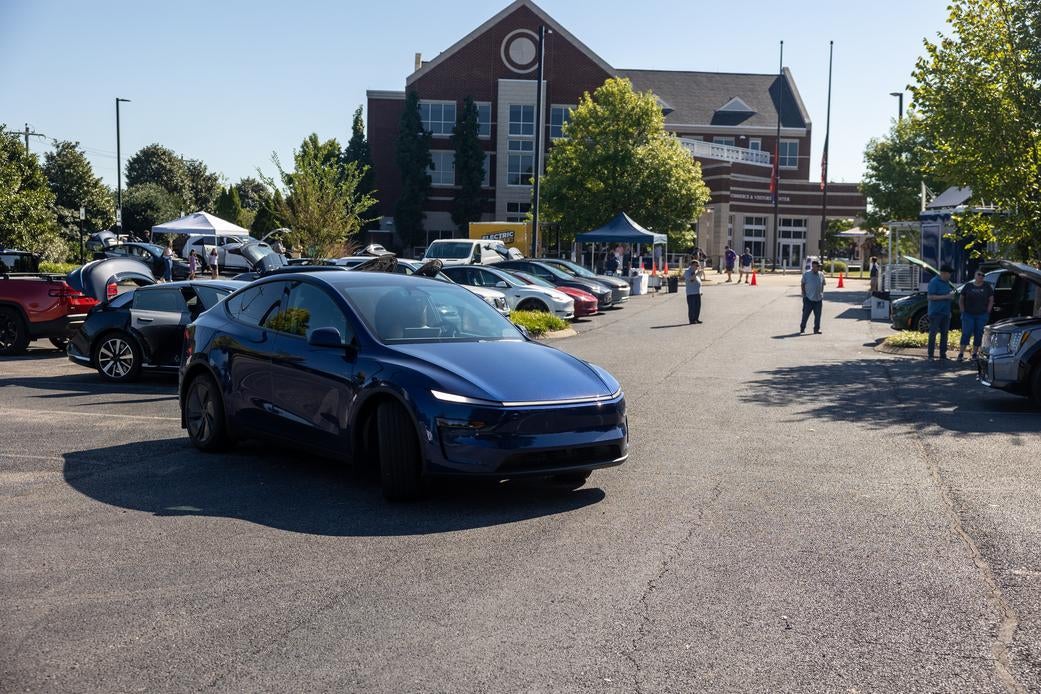
Have questions about electric vehicles or MTE’s electric vehicle resources and programs? MTE’s EV experts can help members find information and next steps for driving electric.
Email: driveEV@mte.com