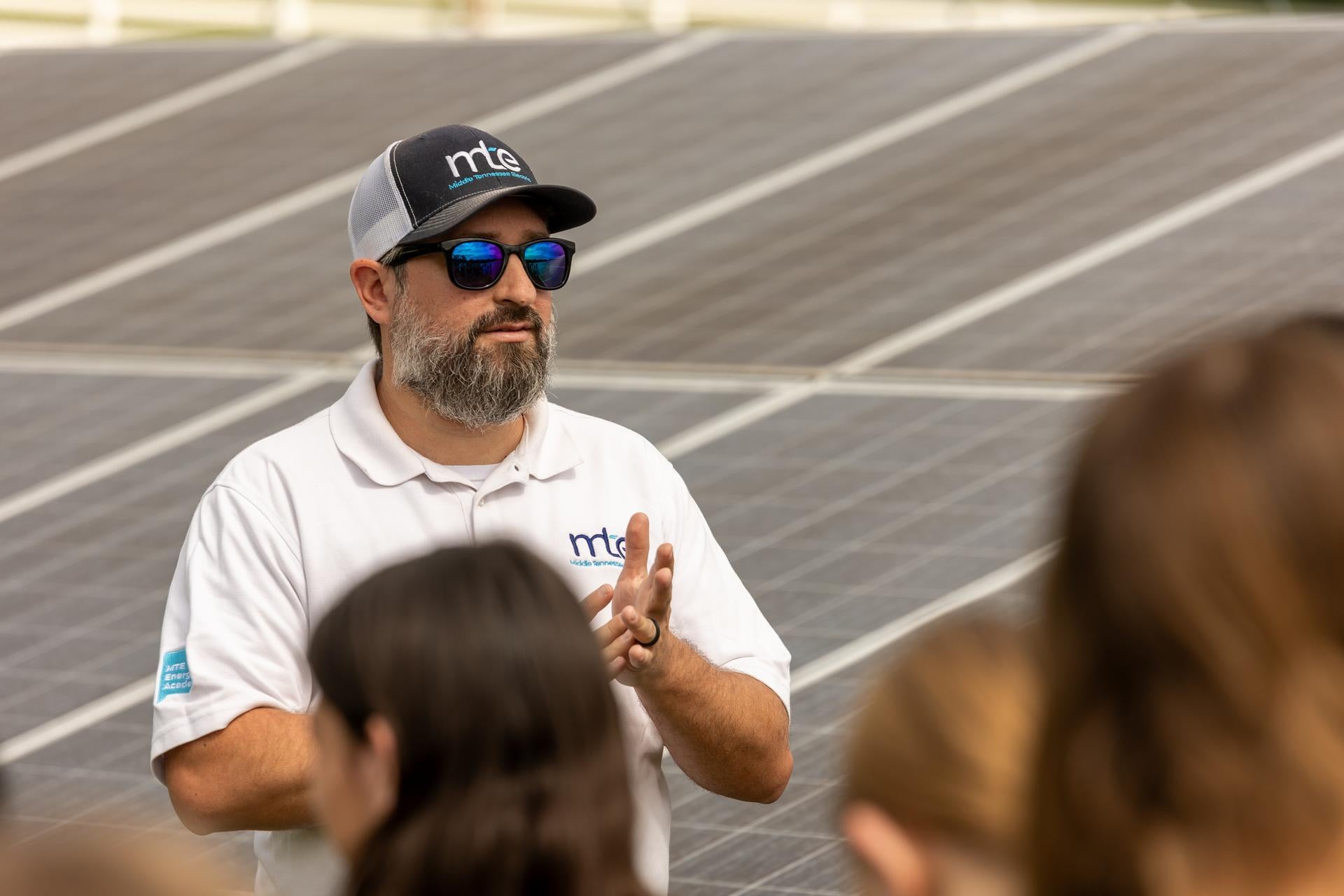
Get answers to your solar questions
Explore solar with help from MTE Solar EnergyPros
MTE is committed to helping our members go solar. We prioritize helping members learn about emerging energy technologies like solar, electric vehicles, and battery storage. If you have questions about solar, you can connect with an MTE Solar EnergyPro. The information is free, and the advice can help you make informed decisions before you invest in a solar installation.
For more information, visit mte.com/Solar to explore resources or learn about our no-cost ProSolar consultations.
Energy production questions
How is solar energy generated?
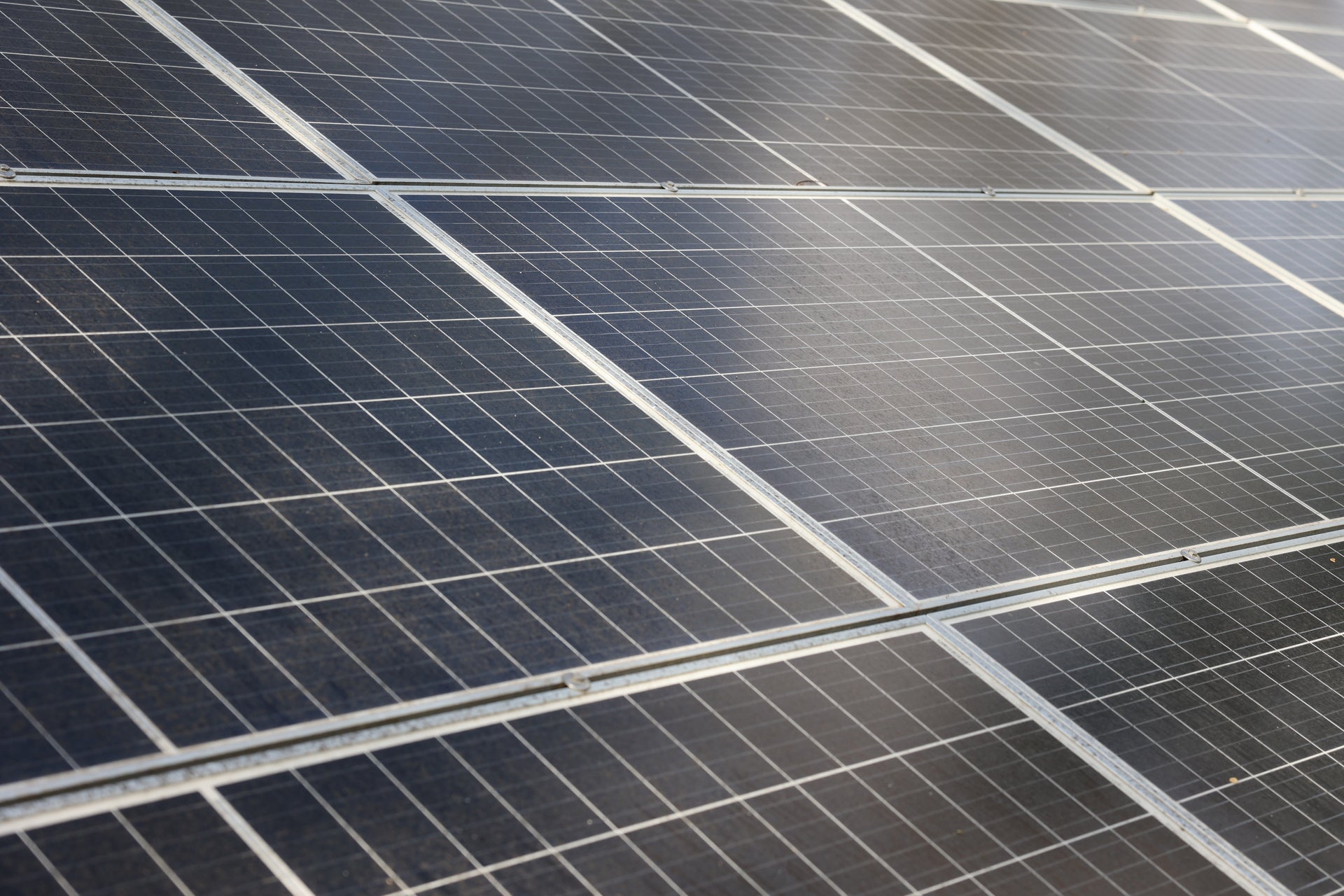
Photovoltaic (PV) systems generate solar energy by converting sunlight into electricity using semiconductor cells. PV systems include solar panels that absorb sunlight and inverters that change direct current (DC) into alternating current (AC).
AC is the standard electrical power used in homes and businesses. These solar panels can be installed on rooftops, canopies, the ground, or integrated into roofing shingles or other building materials.
Does a PV system produce electricity all the time?
No. Depending on the season, a PV system typically generates power from 8 a.m. to 6 p.m. It usually reaches its highest output between noon and 1 p.m. when the sun is strongest. When a PV system is not producing power, MTE and TVA provide other resources to deliver reliable electricity to homes and businesses.
Can PV systems produce power on cloudy days?
Yes. However, a PV system generates less electricity when the weather is cloudy. On an overcast day, a PV system might receive only 5 to 10 percent of the usual amount of sunlight, so power output decreases proportionately.
How much space on my roof will a solar system require?
Solar panels vary in size, wattage, and technology. A typical solar panel produces 250 watts of electricity and measures 3.25 feet by 5.4 feet, or about 17.5 square feet. A 5-kW solar system requires approximately 400 square feet of usable south- or southwest-facing roof area, assuming typical solar panel specifications. This estimate also includes extra space needed to comply with fire safety standards.
Do cold temperatures impact PV systems?
PV systems generate more power at lower temperatures. Like most electronic devices, they operate more efficiently when it is cooler. PV systems generate less energy in winter than in summer, but that is because of fewer daylight hours and lower sun angles, not because of cooler temperatures.
What factors impact the performance of my solar system?
Many factors can affect the efficiency of solar panels, including:
- Shading on your house
- The orientation and tilt of your solar panels
- How many hours of sunlight your house receives during the day
- The quality of your inverter
- Temperature
Any combination of these factors can significantly affect how much solar energy your panels generate.
Solar financial questions
What other solar rebates and incentives are available?
Residential rebate and incentive offers can vary by state, and commercial members have a few limited options. Contact MTE’s Solar EnergyPros to get the latest information on solar rebates and incentives.
How long will it take to recover my costs?
The time it takes to recover the cost of a solar installation can vary based on several factors. With current rate structures and incentives, an average residential solar system in the Tennessee Valley is about 10 kW and may take at least 26 years to pay off. Some members may not break even on their installation depending on energy use, system size, and maintenance costs.
What is MACRS solar depreciation, and how does it impact my solar estimates?
The Modified Accelerated Cost Recovery System (MACRS) is a tax advantage that allows commercial members to accelerate depreciation of a solar investment over five years. This can help reduce tax burden and may lead to a quicker return on investment for qualifying commercial members.
Can I finance my solar system purchase?
Yes. You can arrange personal financing for your solar system installation through your bank or preferred lender. Your interest rate and loan terms affect your return on investment. If you choose to finance your solar PV system, MTE recommends shopping around to find the best rate and terms for your situation.
Maintenance and ownership questions
How long does a typical solar system last?
A typical solar system has a useful lifespan of 25 to 30 years, depending on the local environment and system durability. After that period, solar panels can continue generating electricity, but usually at lower efficiency.
Solar inverters typically last around 10 to 12 years, and you can expect to replace them at least once during the life of a solar system.
What type of warranty is provided with my system, and what does it cover?
PV systems typically include two manufacturer warranties: a product warranty and a performance warranty. The product warranty often covers 10 to 12 years of manufacturing defects, wear and tear, and environmental issues affecting the panels. Because panels become less efficient over time, the performance warranty generally guarantees a certain level of solar production for up to 25 years. A typical expectation is 90 percent of advertised production for the first 10 years and 80 percent production until the system is 25 years old.
Solar inverter warranties are also important when purchasing a system. Warranty terms can vary widely by manufacturer, so contact your solar installer for specific details.
What kind of maintenance does my system require?
Solar panels generally require very little ongoing maintenance because they have no moving parts, such as tracking systems. However, inverters and other connected components may require periodic maintenance or inspection. MTE recommends annual routine inspections and maintenance to help your system run properly and efficiently.
More about MTE solar programs
Does MTE offer any programs to support members who want to install a solar system?
Yes. MTE offers free solar advice through our ProSolar program. Members interested in solar can get a consultation with our MTE Solar EnergyPro by phone or email. If you are thinking about buying a solar PV system, ProSolar can help you better understand your options and make the most of your investment.
Learn more or sign up for a consultation at mte.com/ProSolar.
Can I sell power from my solar system to TVA?
Through the Dispersed Power Production (DPP) program, TVA may allow a qualified solar PV system to sell excess generated power. Members can sign a contract with TVA to sell excess solar generation for roughly 2 cents per kilowatt-hour. The contract process can take two to three months, so MTE recommends starting the process before your system installation is finished. Additional costs, hardware, and construction may be required before your solar PV system can safely connect to the MTE electric grid.
To get current DPP program details and learn how to set up your PV system to participate, contact MTE’s Solar EnergyPros.
Does MTE offer other ways to use solar or green energy?
Yes. Members can offset their carbon footprint and invest in solar or other green technology without buying or installing a PV system at their home or business.
Options include:
You can learn more about MTE’s renewable programs at mte.com/Renewables.
Contact MTE's Solar EnergyPro
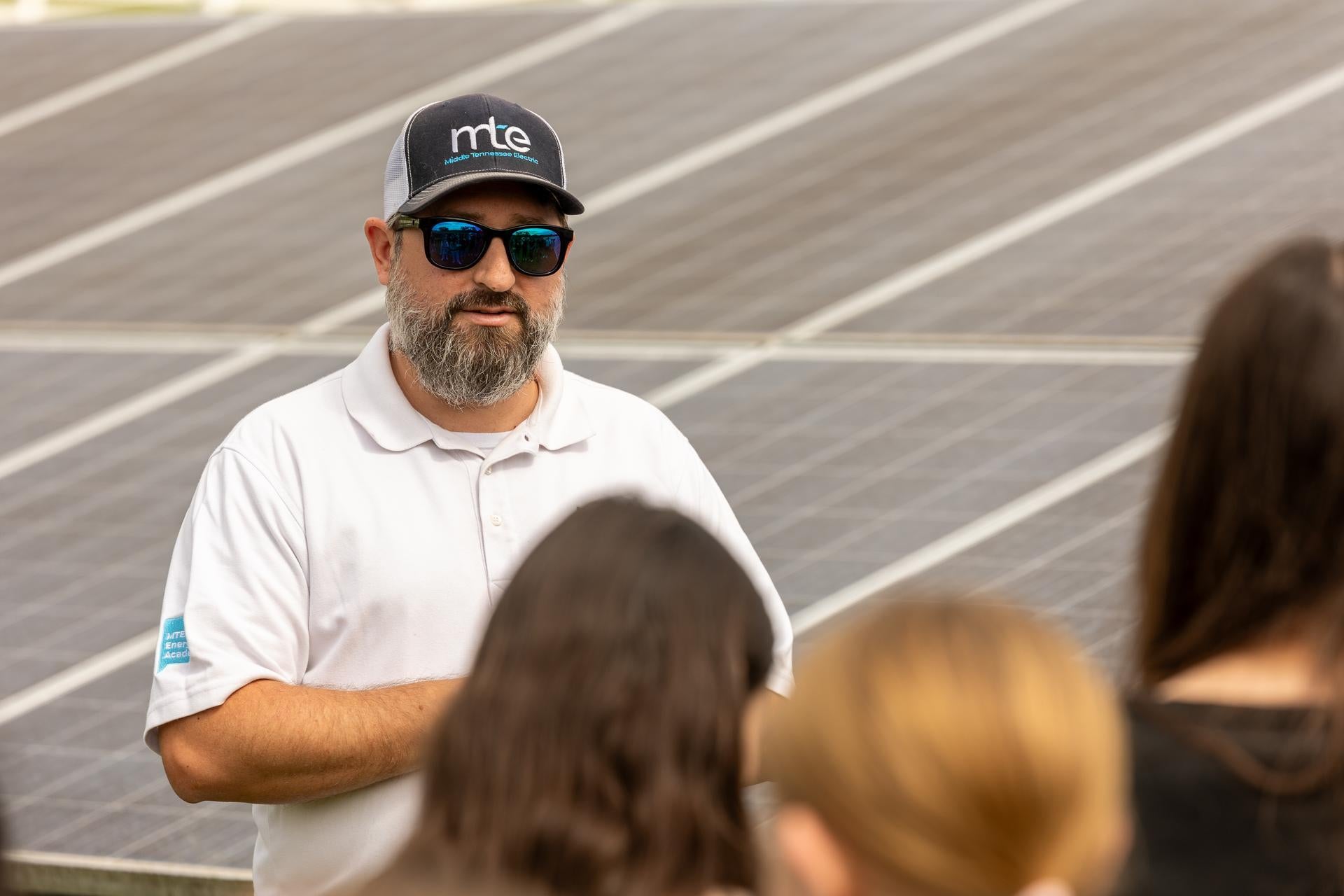
Not sure if solar is the right fit for your home? MTE has solar expertise on staff to help you make an informed decision. Before joining MTE, Tim Suddoth spent more than six years in the solar industry, gaining experience in sales, design estimating, permitting, commissioning, and installation. If you have questions, reach out to MTE’s Solar EnergyPro.
Email: EnergyServices@mte.com
Phone: 877-777-9020
Online: mte.com/Solar