What to know about underground electrical service
Learn how underground service works and why costs may vary
MTE builds electric service to an overhead standard because it has been established as the most cost-effective type of construction. Underground service may be available upon request by a member or developer, or required by a city. However, the additional cost is paid by the member, developer, or requesting party who benefits from the underground design.
This page explains how underground service compares with overhead service, why costs differ, and what members should know before requesting a new underground service or converting existing overhead service.
Overhead and underground service basics
What is MTE’s philosophy regarding underground service?
As a not-for-profit, member-owned electric cooperative, MTE builds to an overhead standard because it is considered the most cost-effective type of construction.
MTE is open to installing underground lines when the member or developer covers the additional cost. When developers or cities request or require underground service, the members who benefit from the alternative design pay the additional cost.
MTE works closely with local partners to balance reliability, safety, and affordability, always keeping our members’ best interests at the center of those decisions.
What are the strengths and weaknesses of overhead and underground service?
Overhead facility damage is generally easier to locate and repair than underground damage. Underground interruptions are less common, but they can take longer to repair because the work is more complex.
Underground electrical systems can also be affected by damage or corrosion that is difficult to predict because the equipment is underground and out of sight during general inspections.
Storm winds can damage both overhead and underground systems. Overhead systems can be impacted when trees and debris blow into power lines. Underground systems can be affected when trees fall on above-ground transformers or switch boxes, or when tree roots pull up buried cable as trees topple.
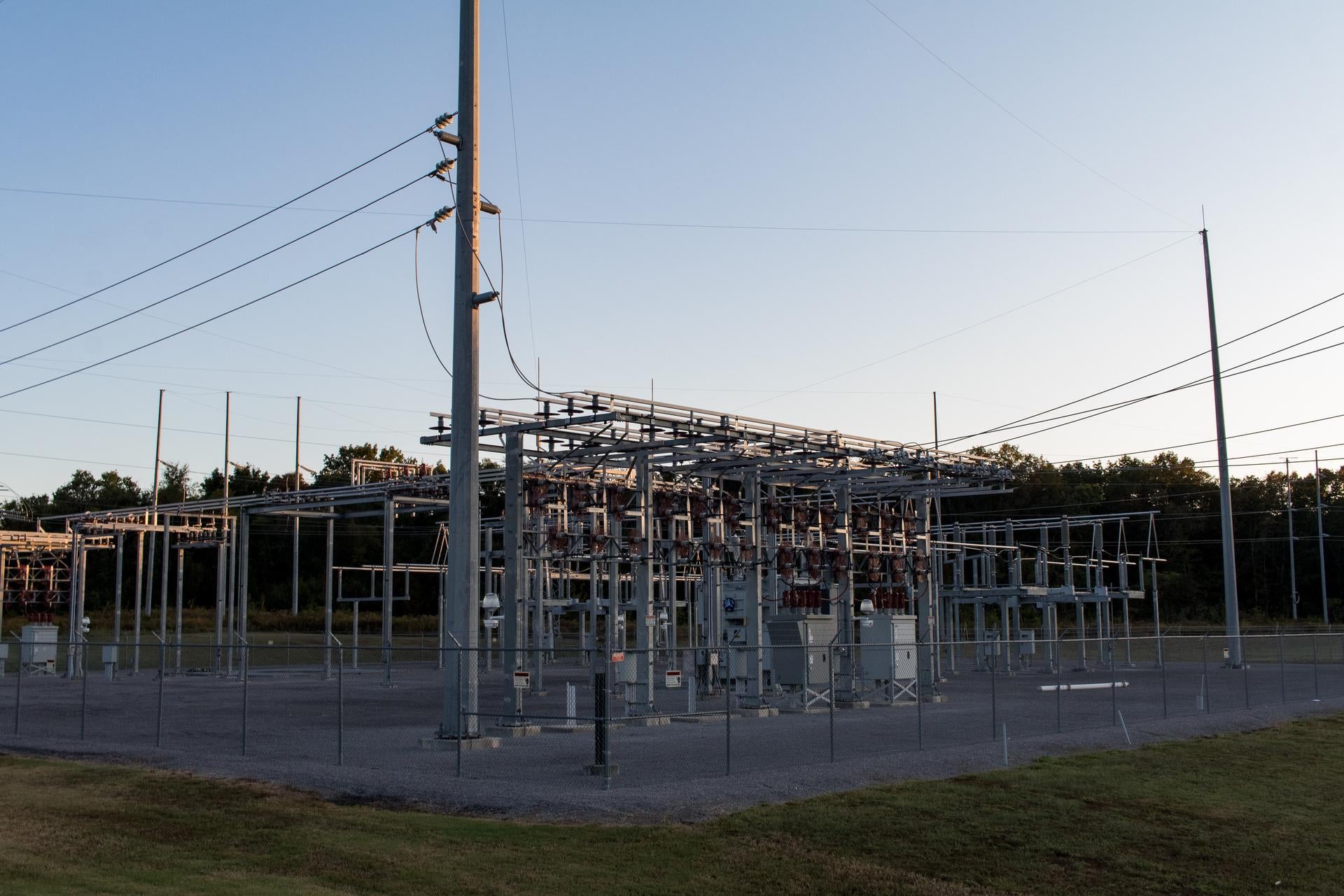
Even if a neighborhood is served locally by underground cable, electric service eventually connects back to above-ground equipment or overhead service. Because of that, exposure to weather, animals, and trees is never fully eliminated.
Underground service costs
Why is there a differential cost for new underground service?
MTE and TVA’s position is that it would be unfair to charge all members a higher rate to cover the additional cost of new underground service when not all members want or receive the benefits of underground installations.
Why must the member or requesting party pay to convert overhead service to underground?
MTE provides electric service to members in the most cost-effective manner available, which is an overhead system.
To treat members fairly across MTE’s service territory and prevent members from subsidizing underground facilities in another area, the party requesting underground service is responsible for the associated costs.
I live in a development with underground service and did not pay anything extra. How is that?
Although it may not appear as a separate charge, the cost was likely included in the property cost.
For aesthetic reasons, many developers contract with MTE to bury lines when building a new neighborhood or business park. The added cost of underground service is typically included in the property's price and reflected in its future value.
What might it cost to convert overhead service to underground service?
The two key cost drivers are labor and materials. Depending on those factors, underground facilities can cost anywhere from $500,000 per mile to more than $4 million per mile.
Conversion considerations
What costs and arrangements are separate from MTE’s service?
Some costs and arrangements are separate from the service MTE provides and are the member’s responsibility. These can vary based on several factors, including:
- Whether the local government requires electrical installation or wiring to be upgraded as part of the conversion.
- Whether an electrician will dig and backfill the trench needed to bring underground facilities from the easement to the building.
- The length of the trench needed for the conversion.
- Whether the existing overhead weatherhead extends through the roof of the building, which may require roof repair, painting, or aesthetic work.
These responsibilities are similar to design choices in other utility industries, such as converting from a septic tank to a sewer system.
Why must some equipment in an underground system remain above ground?
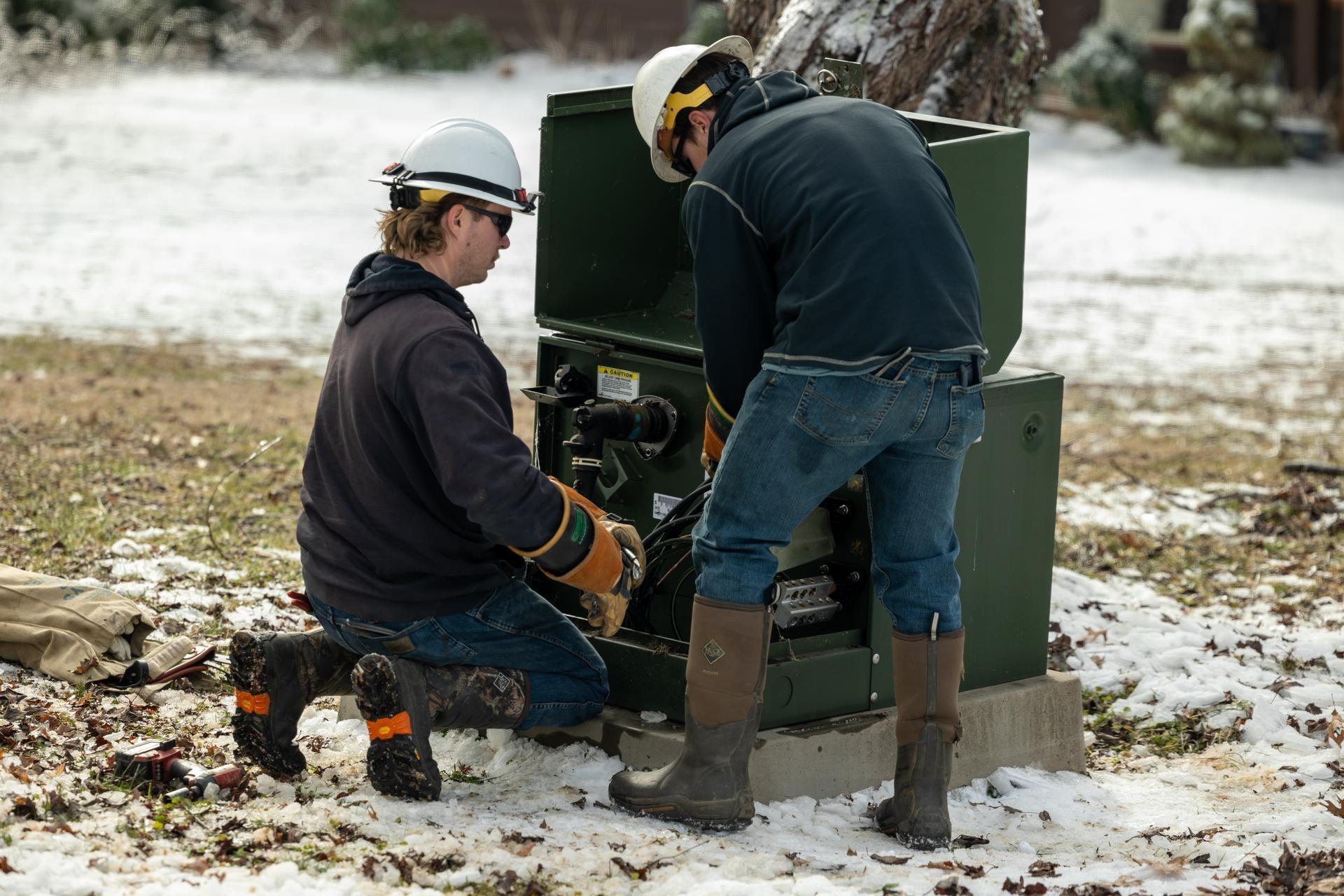
Conduits and cables can be placed underground, removing poles and overhead wires from the immediate area. However, transformers and switch cabinets must remain accessible to MTE crews at ground level.
This access is needed for timely maintenance, outage repairs, rerouting power, and other electric system functions.
What makes conversions more expensive than new construction?
Conversions require MTE to build a new system while keeping the existing service operating. Once the new system is in place, the existing system must be dismantled.
Conversions in older neighborhoods can also involve working around existing infrastructure and other utilities, such as phone, cable, sewer, gas, and water lines. New underground components must also be purchased and installed, including conduit, cable, pad-mounted transformers, and switch cabinets.
Shared main line work is usually required and is often more costly than converting individual service or neighborhood lines. As a percentage of cost, dismantling typically accounts for about 15 percent, installing underground components about 65 percent, and excavation about 20 percent.
Neighborhood and property impacts
What are some impacts of converting an older overhead system to underground?
Converting an existing grid system in an established neighborhood can be more expensive and disruptive than new construction.
Utilities often share above-ground poles, so converting utilities underground may involve more than electric service. Phone, cable television, and internet service may also need to be considered. Each service may have different spacing requirements, boring or trenching needs, and ground-level switching equipment.
Driveways, sidewalks, fences, landscaping, sprinkler systems, and yards may need to be disturbed or could be damaged if not clearly marked. Access to homes and businesses may also be affected for extended periods.
Because permits are needed to change meter-related equipment, conversions in older homes and neighborhoods may trigger city or county requirements for interior wiring to meet current code. This could require a licensed electrician and may involve interior rewiring or remodeling.
Legal easements are also needed from conversion participants so MTE can access underground equipment, including above-ground components. Impacted parties must agree to have transformers, cable boxes, pads, or other switching equipment placed in their yards.
What will it cost to bury other utilities, such as telephone and cable?
Costs for burying telephone, cable or other utilities must be addressed by those utilities.
Feasibility and limitations
What are examples of overhead-to-underground conversions that may not be feasible?
Some conversions may not be feasible in certain situations, including:
- Private property owners are not willing to provide the easements needed for MTE to design and engineer the conversion.
- Necessary safety standards and operating clearances cannot be met.
- Areas too congested for switch cabinets to be installed with sufficient operating clearances.
- Areas prone to flooding. Flooding can short out transformers, and service cannot be safely restored until flood waters recede.
Helpful links
Contact MTE's Member Support Team

We understand our members expect more than just affordable, reliable, and safe electricity. You also expect outstanding member service, which includes helping you find answers and solutions to your concerns.
From myMTE app issues to billing questions and everything in between, our member support team is always here to provide you with the help you need. We've put together some useful information for you, but feel free to contact us directly to discuss any additional concerns you have.
Email: info@mte.com
Phone: 877-777-9020
Online: mte.com/Contact